Tag: SEO Basics

  • What Is Search Intent? Why It Matters for SEO

    What Is Search Intent? Why It Matters for SEO

    Definition:
    A Search Intent is also known as “user intent” is refers to the purpose behind a user’s search, what they looking for, learn or achieve when using a search engine.

    Why do certain pages with the same keyword able to rank #1 on Google while others have trouble? Search intent is the key to the solution.

    Including keywords into your content is no longer the only aspect of modern SEO. Rather, search engines concentrate on providing the most pertinent result based on what people genuinely desire. No matter how well-optimized your content is, it won’t rank if it doesn’t align with that goal.

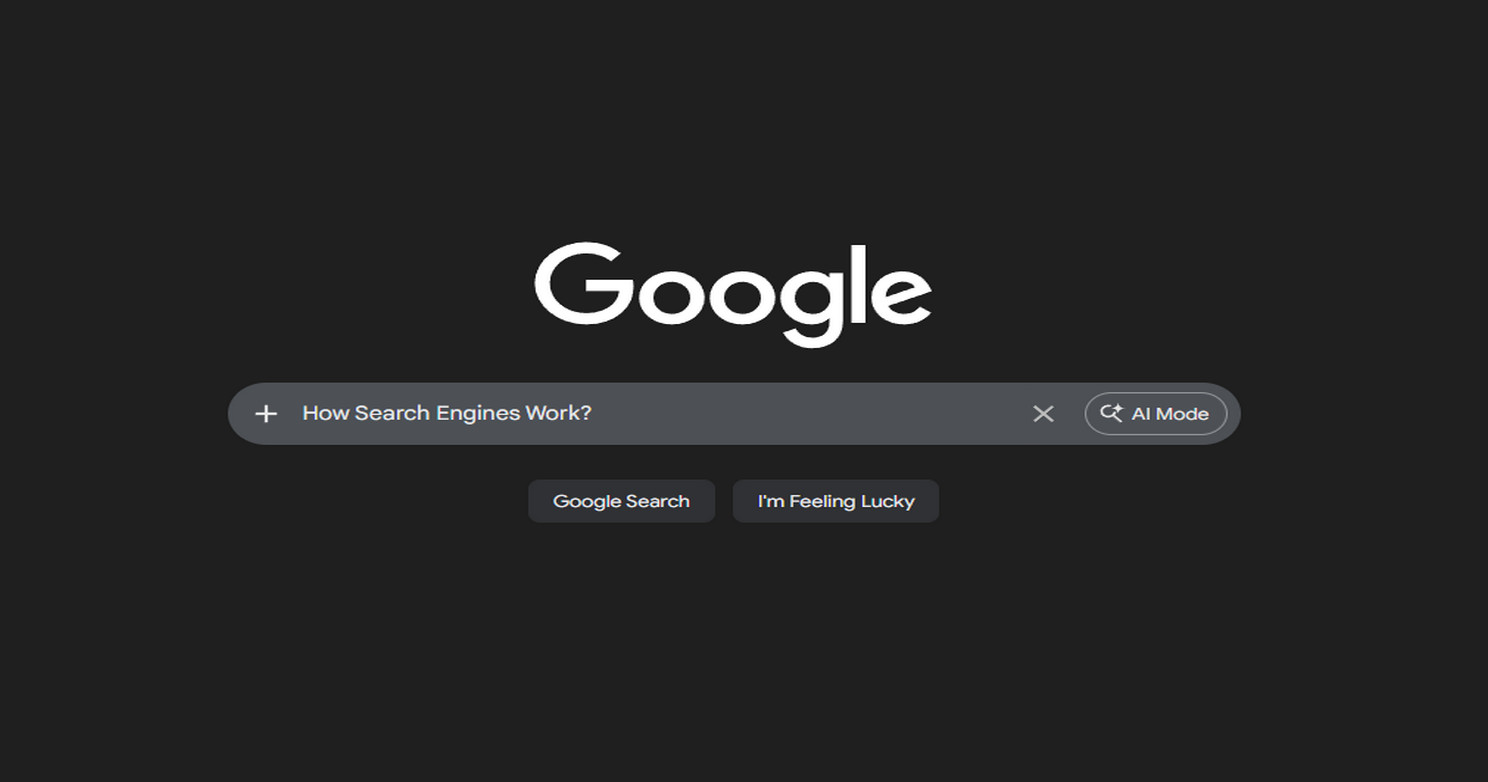
    👉Related Blog: How Search Engines Work

    What is Search Intent?

    The purpose behind a user’s search query is referred to as search intent, or user intent. When a user types anything into a search engine, it describes what they should expect to discover.

    Examples:

    • “What is SEO?” → The user wants to learn (informational)
    • “Best SEO tools” → The user wants recommendations
    • “Buy SEO course Malaysia” → The user wants to purchase

    Knowing this enables you to produce content that precisely corresponds with what users are searching for.

    Types of Search Intent

    There are four categories of SEO keywords and each of these categories represent the overall aim of a user’s search. Informational, Navigational, Commercial, and Transactional.

    • Informational Intent
    • Navigational Intent
    • Commercial Intent
    • Transactional Intent

    Let’s dive deeper into each type of search intent.

    1. Informational Intent

    Searchers want to learn more about something or have a better understanding of a topic.
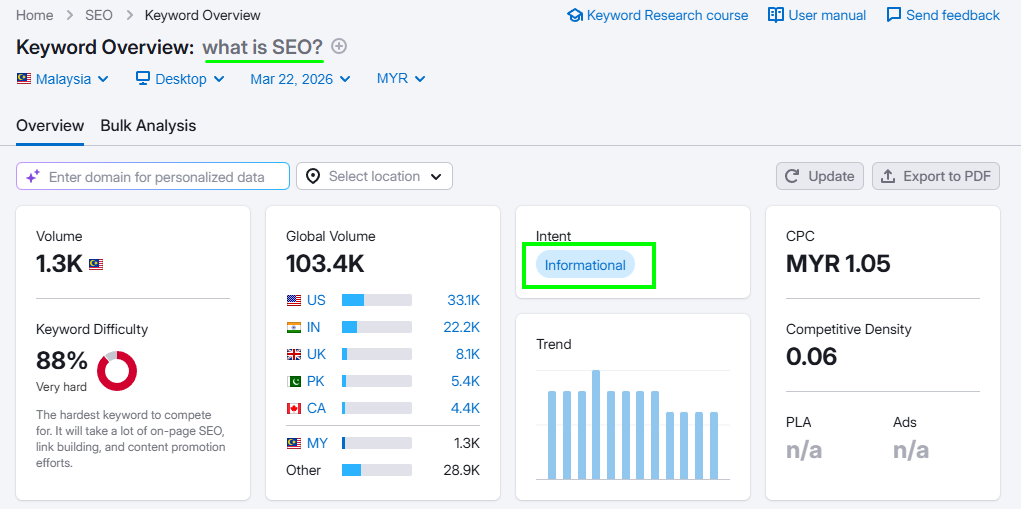
    “Who,” “How,” “What,” and “Why” are the first words in most informational searches.

    Example:

    • What is SEO?
    • How to improve SEO rankings?
    • Why does my website not have a high ranking?

    2. Navigational Intent

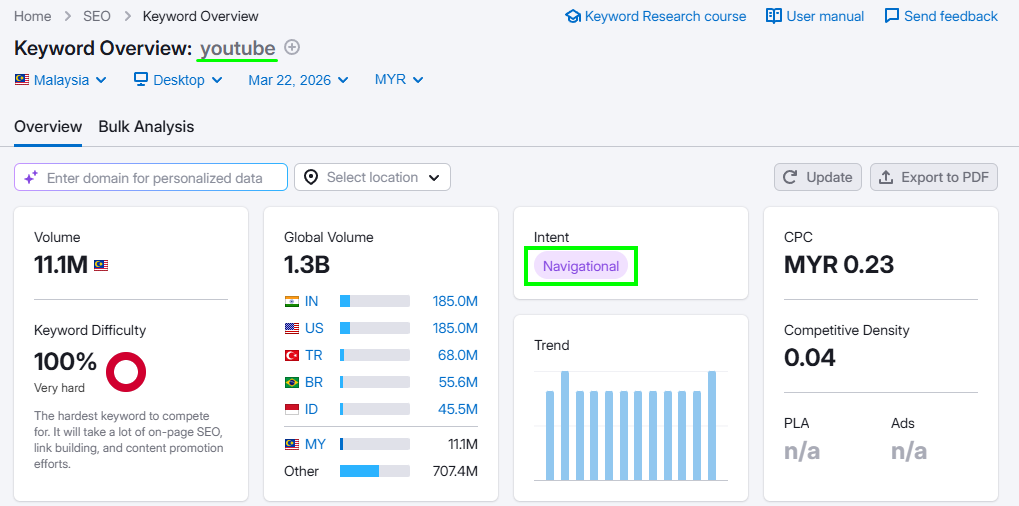
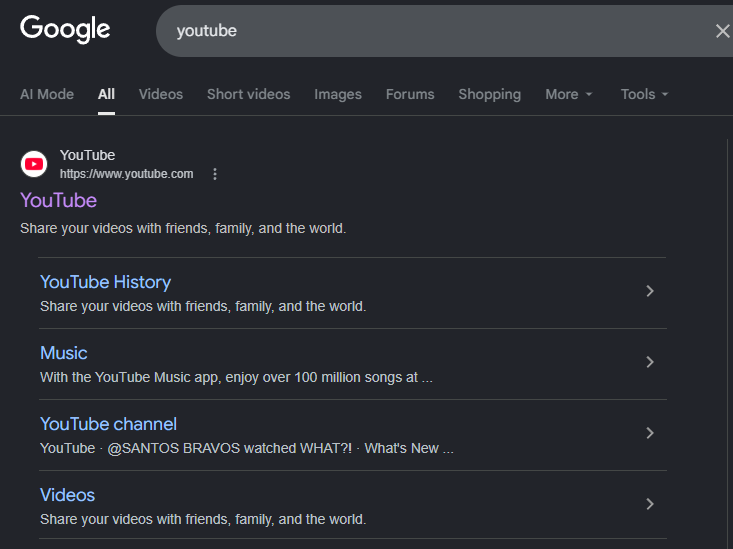
    Searchers want to go to a specific website or page. Entering the name of a company or website into a search engine is frequently a navigational inquiry.

    Example:

    • Youtube
    • Where is KLCC located

    Since users already know which company, product, or location they are looking for, well-known brands or websites will naturally rank and appear for navigational intent.
    3. Commercial Intent

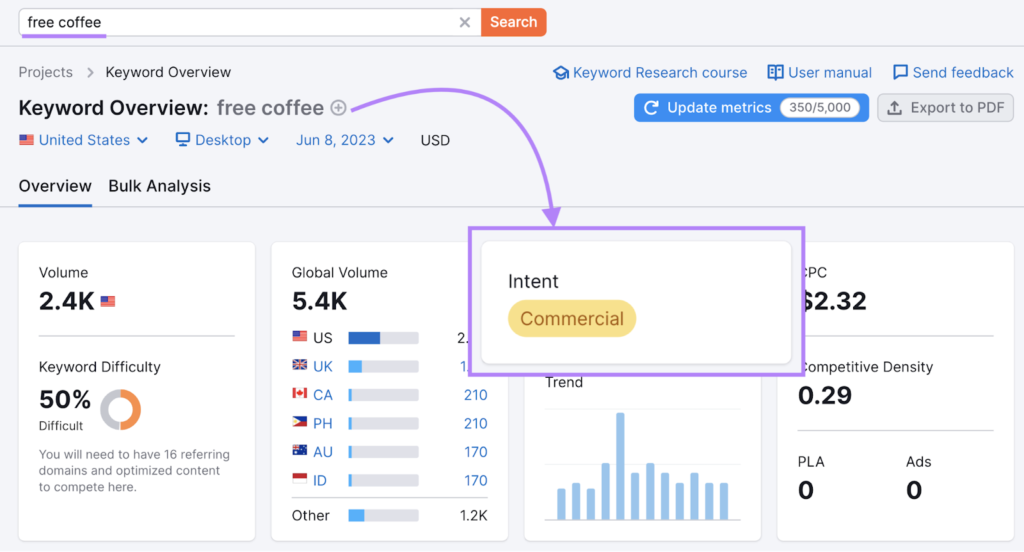
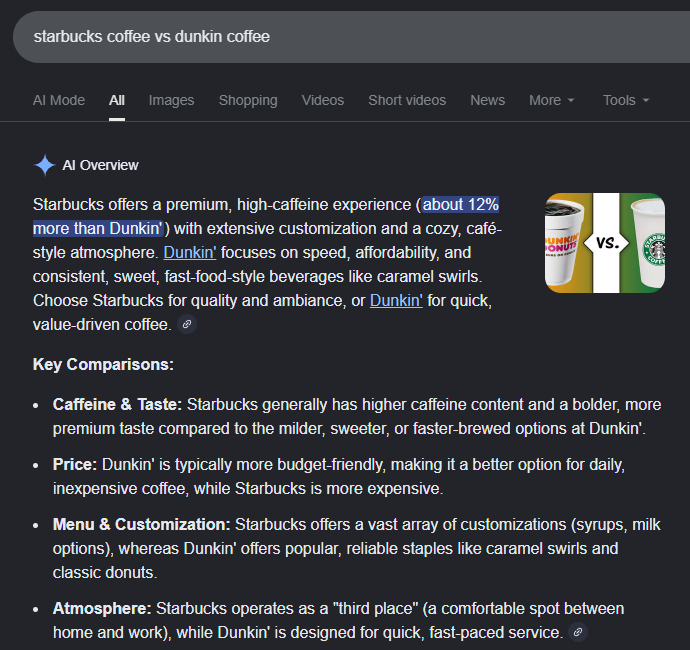
    Commercial keywords help users research specific products or services. They may check reviews, compare options, or look for discounts before moving to the purchasing phase, which is part of transactional intent.

    Examples:

    • starbucks coffee vs dunkin coffee
    • free ice-cream
    source: semrush

    Terms like “vs,” “best,” and “top” are commonly found in commercial keywords. At this stage, users are close to making a purchase. Therefore, content such as comparisons, reviews, or how-to articles can effectively target these searches.
    4. Transactional Intent

    The user has already made up their mind and wants to take action, such as purchasing a product or subscribing to a service.

    Examples:-

    • buy iphone15
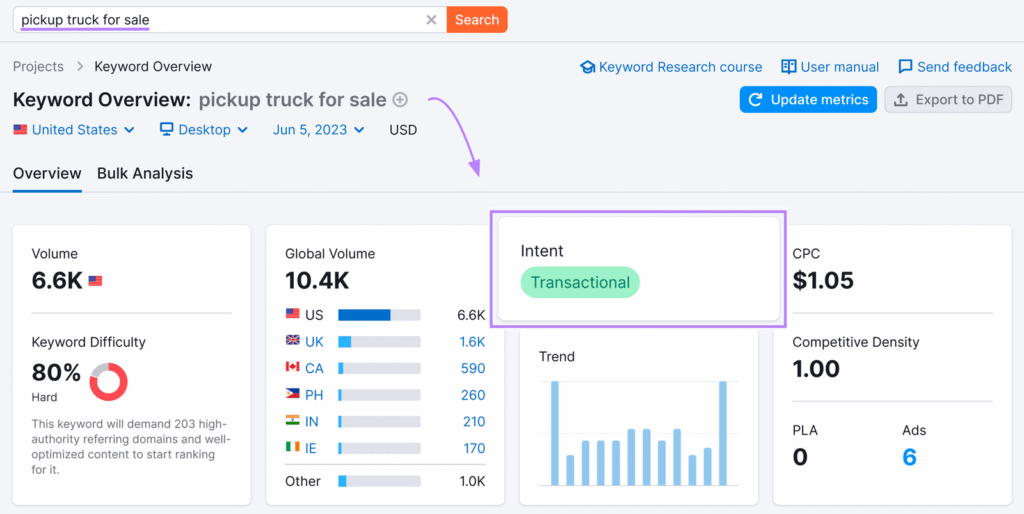
    • mcd near me
    • adidas promo code
    source: semrush

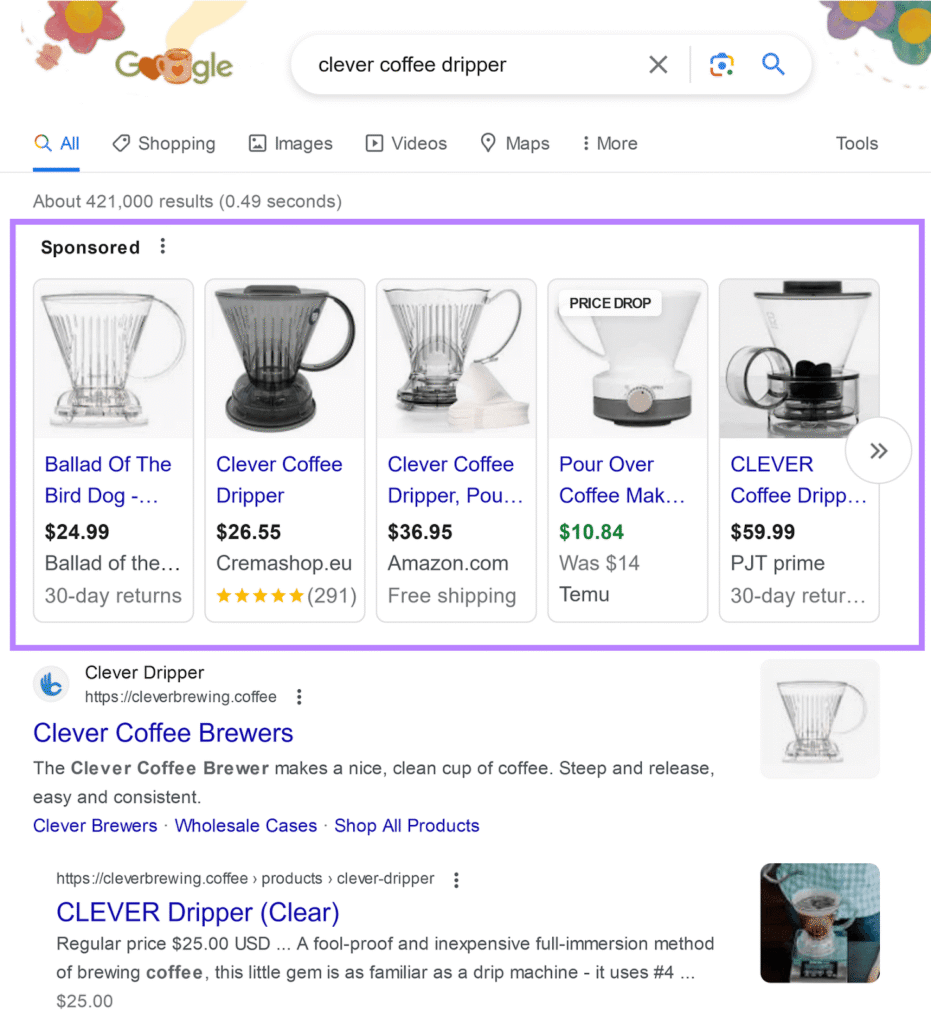
    Terms like “buy,” “subscribe,” and “for sale” are commonly found in transactional keywords, which often lead Google to display ads or “Sponsored” results.
    source: semrush

    Since transactional keywords target users at the bottom of the funnel, they are highly valuable for both SEO and paid strategies. In Search Engine Marketing, pay-per-click (PPC) plays a key role in capturing this high-intent traffic.

    Why Search Intent Matters for SEO

    Search intent matters for SEO because it helps you understand what users actually want when they type a query into search engines. When your content matches the user’s intent, it becomes more relevant, which increases your chances of ranking higher on search engine results pages. This is an important part of the importance of SEO, as search engines like Google aim to show the most useful and accurate results to users

    1. Matches Intent will be Rank in Search Engines

    Instead of solely concentrating on keywords, modern algorithms aim to provide results that best match user intent.

    According to Google’s Search Quality Evaluator Guidelines, assessing the quality of content requires a comprehension of user intent. Even with powerful backlinks or keywords, your page is unlikely to rank if it is not in line with intent. Therefore, if your content aligns with intent, then higher chance to rank your page

    2. Improves User Engagement

    Users are more likely to interact with your content and remain on your page longer when they find exactly what they’re searching for. The relationship between time on page and bounce rate has a strong connection to better rankings.

    3. Increases Conversion Rates

    You may target consumers at the appropriate point of their journey by matching search intent. For instance, while informational users are still learning, those with transactional purpose are prepared to act. According to HubSpot, matching content to user intent may greatly boost marketing effectiveness and conversions.

    4. Avoids Irrelevant Traffic

    Driving traffic is not enough if it doesn’t convert. By focusing on the incorrect intent frequently results in high traffic but poor outcomes. You may draw in customers who are actually interested in your information, goods, or services by matching intent.

    5. Guides Your Content Strategy

    Choosing what kind of material to produce is aided by search intent. For example, whereas transactional questions need landing pages or product pages, informative queries are better addressed with blog entries or tutorials. Determining intent is a crucial stage in efficient keyword research and SEO strategy.

    How to Identify Search Intent (Step-by-Step)

    One of the most important steps in keyword research and content creation is determining search intent. You may adopt a structured process to comprehend people’ wants and produce content which fits in line with how search engines like Google rank sites rather than speculating about what users desire.

    Step 1: Analyze the Keyword

    Start by analyzing the keyword itself. The phrases are often reveals the user’s intent.

    Example:

    • how to do SEO” – informational intent
    • best SEO tools” – commercial intent
    • SEO services price Malaysia” – transactional intent

    This has an impact on how you conduct keyword research, particularly when using long-tail keywords, which are more precise and simpler to match with intent.

    Step 2: Analyze the Search Results (SERPs)

    Search up your chosen keyword on Google and look at the pages that rank highest. These results are what search engines think what researchers are looking for.

    Take note of:

    • Headlines and Titles
    • Content type (blog, landing page, product page)
    • The angle of the content

    For instance, making a sales site is unlikely to rank highly if the majority of results are guides. For this reason, a key component of creating a successful SEO strategy is competitive analysis.

    Step 3: Identify Content Format and Style

    Examine the structure of top-ranking content in more detail.

    Example:

    • Step-by-step guides
    • Listicles (e.g., “Top 10…”)
    • Product comparisons
    • Reviews

    Targeting the term is vital, but so is matching the format. This is consistent with creating content that directly responds to user inquiries without resorting to keyword stuffing or overuse.

    Step 4: Check SERP Features

    Strong intent signals are frequently provided by extra features seen in search results.

    Example:-

    • Featured snippets – users desire prompt responses
    • “People Also Ask” – relevant queries that should be addressed
    • Shopping outcomes – great desire to buy

    By addressing similar subtopics, these insights can also help you broaden your content and increase your chances of ranking for various keywords.

    Step 5: Map the Keyword to the Funnel

    Each keyword corresponds to a stage inside the marketing funnel:

    • Informational (learning stage) – at the top of the funnel
    • Commercial (comparison stage) – middle of the funnel
    • Transactional (decision stage) – bottom of the funnel

    Knowing this makes it easier for you to choose whether to produce a service page, a comparative post, or an instructional blog, ensuring that your content is in line with the user’s path.

    Step 6: Validate with SEO Tools

    By examining SERP data, keyword variants, and competition performance, tools such as Ahrefs and Semrush can assist in verifying search intent.

    Additionally, they make it simpler to see chances for your content to stand out, particularly when focusing on specialized or less competitive keywords.

    Step 7: Align Your Content with Intent

    Your content should immediately and plainly align with the goal after you’ve determined it.

    • Informational – offer thorough justifications
    • Commercial – provide insights and comparisons.
    • Clear calls to action are part of transactional design.

    Make sure your material addresses the precise question and remains topic-focused. Both ranking and providing users with value depend on this.

    How to Optimize for Search Intent

    Match Content Type with Intent

    Identifying the appropriate kind of content is the most crucial stage.

    • Informational – guides, tutorials, blog posts
    • Commercial – comparisons, “best of” lists
    • Transactional – landing pages, service pages

    No matter how well-optimized your content is, it won’t rank if it doesn’t match intent. For this reason, it is crucial to comprehend purpose while conducting keyword research and when focusing on long-tail keywords.

    Follow What’s Already Ranking (SERP Analysis)

    Look up your term on Google and examine the top results.

    Look for:

    • Content format (listicle, guide, review)
    • Structure and headings
    • Angle of the content

    Users’ preferences are already reflected in top-ranking pages. Your chances of ranking are significantly increased if you align with them.

    Fully Satisfy the Search Query

    Your article should provide a thorough and understandable response to the user’s query.

    • Cover key points
    • Address related questions
    • Stay focused on the topic

    Content that is useful and pertinent is given priority by search engines. Users stay longer and interact more when your content properly fulfills their goal, both of which can raise your rankings.
  • Best Keyword Research Tools in Malaysia (Beginner Guide)

    Best Keyword Research Tools in Malaysia (Beginner Guide)

    If you’re new to SEO in Malaysia, you will need to find the right keyword research tools. These tools will help you in discovering your keywords by showing what is your audience is search for and how well can you rank your content on search engines.

    You do not have to subscribed for premium tools to begin with. In this guide, we will cover the best keyword research tools that can used and beginner-friendly in Malaysia.

    Why Keyword Research Tools in Important

    Keyword research tools will make your life easier and more accurate in doing SEO. Instead of manually guess what are people looking for, these tools provide real data from internet.

    Benefits of Using Tools:

    • Find high-demand keyword with low difficulty
    • Understand search trends in Malaysia
    • Analyzing the competition
    • Find out new content ideas

    By using the right tools, you are able to create content that suit users intent and increase the chances of ranking your website higher on search results.

    Best Keyword Research Tools in Malaysia

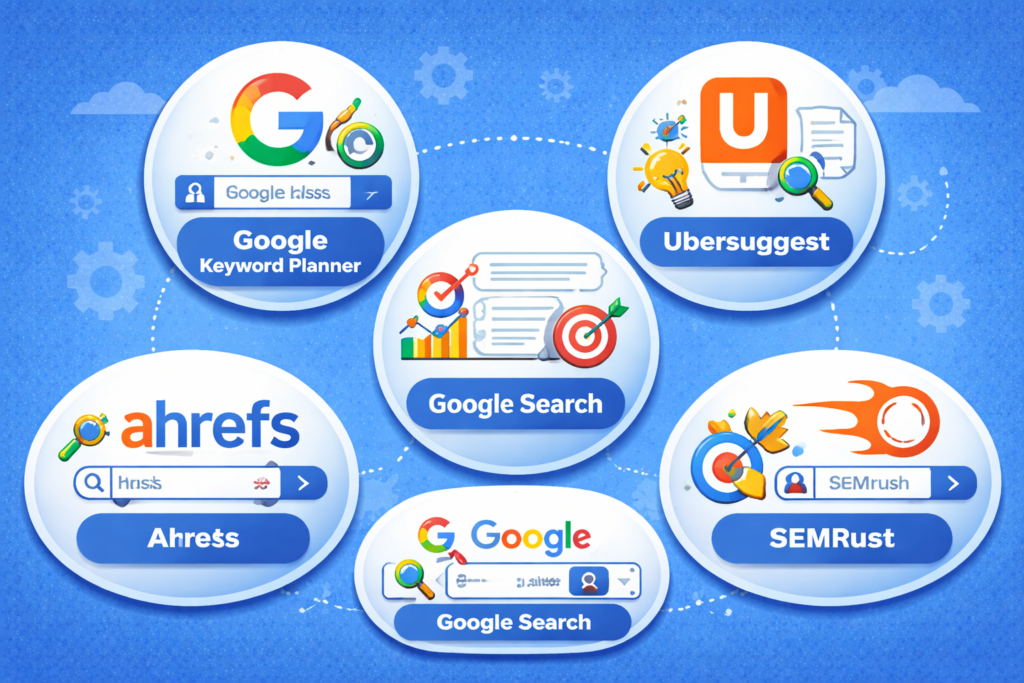
    Infographic showing 5 keyword research tools in Malaysia

    1. Google Keyword Planner

    Recommended: Beginners and free keyword research

    Google Keyword Planner is a free tool from Google that helps you find keyword ideas and understand search demand. It provides data such as search volume, keyword difficulty, and cost-per-click (CPC), which helps you evaluate how valuable a keyword is. With this tool, you can also discover related keywords and variations to improve your keyword research and content planning.

    Strengths:

    • Free and reliable data
    • Provides accurate search volume and competition levels
    • Suitable for Malaysian keywords

    Limitations:

    • It requires a Google Ads account
    • Provides limited information about competitor analysis
    • Less advanced keyword suggestion compared to paid tools

    2. Ubersuggest

    Recommended: Beginner-friendly SEO insight and keyword ideas

    Ubersuggest is a beginner-friendly SEO tool that helps you find keyword ideas, search volume, and SEO difficulty. It is simple to use and provides useful insights to help you build your keyword list. You can also use it to generate content ideas and analyze competitor websites to improve your SEO strategy.

    Strengths:

    • User-friendly interface
    • Provides keyword suggestions, SEO difficulty, and content ideas
    • Many data available for free

    Limitations:

    • May not provide accurate data as Google
    • Limited search on historical trend data
    • Limited searches per day for free version

    3. Ahrefs

    Recommended: Suitable for advance SEO and competitor analysis.

    Ahrefs is a powerful SEO tool that provides in-depth keyword research and competitor analysis. It allows you to check keyword difficulty, search volume, and explore keyword opportunities. You can also analyze your competitors’ websites to see which keywords they are ranking for and find content gaps to target for better rankings.

    Strengths:

    • Has full information on keyword data including search volume and difficulty of SEO
    • Offers comprehensive competitor analysis
    • Provides backlinks insight and identifies the content gap chances

    Limitations:

    • Expensive for beginners or small website project
    • Can be hard for beginners to learn
    • Need more time to explore all features

    4. SEMrush

    Recommended: All-in-one SEO and marketing tools

    SEMrush is an all-in-one SEO tool that helps with keyword research, competitor analysis, and content planning. It provides detailed keyword data, including search intent, which helps you understand what users are looking for. With this tool, you can analyze competitors, discover keyword gaps, and track your keyword rankings over time.

    Strengths:

    • Keyword research, traffic analysis and content insight in 1 platform
    • Tracking market trends and competitors
    • Provides comprehensive reporting for multiple campaigns

    Limitations:

    • Expensive for beginners or small website project
    • Need more time to explore all features
    • Keyword data may be different from Google

    5. Google Search

    Recommended: Provides free insight directly from users

    Google Search is what everyone uses to search for information online, and it can also be used as a simple keyword research tool. By typing in a keyword, you can see real search results, including top-ranking pages, featured snippets, and related searches. This helps you understand what users are looking for and what type of content is currently performing well.

    You can also use Google Search to discover keyword ideas through the “People also ask” and “Related searches” sections, which show additional topics and questions that users commonly search for. This is useful when learning how to do keyword research and improving your content strategy.

    Strengths:

    • Free and easy to use
    • Offers what Malaysia users are searching for
    • Perfect for long-tail keywords

    Limitations:

    • No search volume and competition levels
    • Not suitable for large amount of keyword research
    • Limited to google suggest, autocomplete, and People Also Ask

    How to Choose the Right Tools

    Choosing the right tools depends on your specific needs.

    Tools for beginners: Google Keyword Planner and Google Search

    Tools for growing websites: Ubersuggest for better SEO insights

    Tools for advanced SEO: Ahrefs or SEMrush is worth the investment

    Tips for Using Keyword Research Tools Effectively

    1. Focus on Local Keywords

    The keywords you choose should depend on where you live and who your target audience is. If your audience is in Malaysia, include location-based keywords such as:

    • florist shop in KL
    • SEO services Malaysia

    2. Look for Long-Tail Keywords

    Long-Tail Keywords are more specific and making it easier to rank compared to Short-Tail Keywords.

    3. Analyze Competition

    If you’re building a new website, best is to avoid too competitive keywords.

    4. Match Search Intent

    Choose keywords that match the search intent of what users are looking for on the internet.

  • How Search Engines Work: Beginner’s Guide

    How Search Engines Work: Beginner’s Guide

    Definition:
    A search engine is a system that retrieves and displays relevant information based on a user’s query.

    What is a Search Engine?

    Search Engine is an online tools that allows users to search for online content by using keywords. One of the well-known search engine is Google.

    When a user enters a query into a search engine, the search engine results page (SERP) displays the most relevant pages that rank highly for that keyword.

    How Search Engines Work in SEO (Step-by-Step)

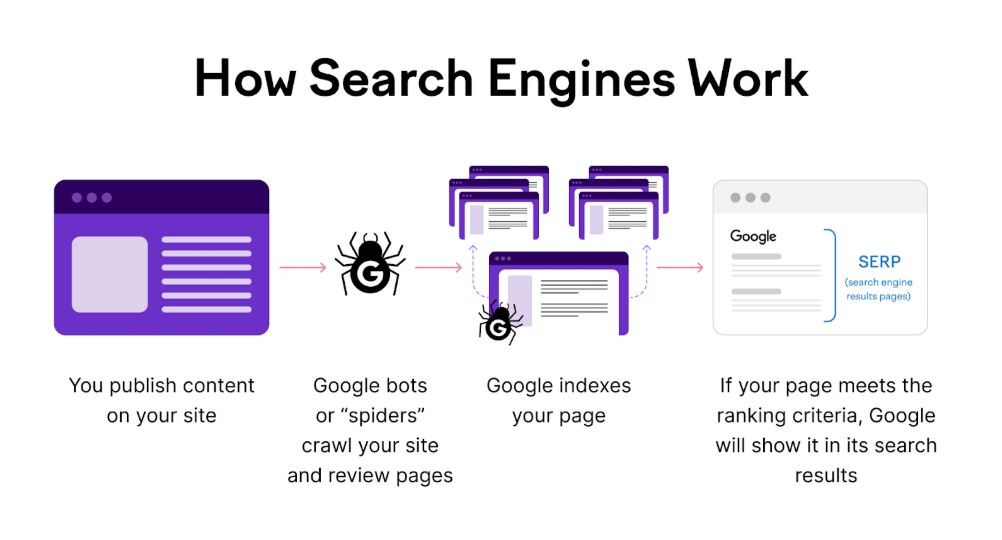
    visual on how search engines work
    Source: semrush

    Search engines work through three main components: crawling, indexing, and ranking, to deliver the most relevant results to users. For example, when a user searches for a long-tail keyword such as “what are the best SEO tips for small businesses,” the search engine analyzes the search intent and returns the most relevant, high-quality content pages.

    Crawling

    Search engines use web crawlers, also known as ‘spiders’ or ‘bots,’ to crawl and explore websites. Crawling means scanning web pages to discover content. These crawlers follow links from one page to another by following internal links to find new and updated content from homepage or sitemap.

    It is important to properly link your pages, as crawlers may not be able to explore them effectively if they are not linked or are blocked.

    Example:

    • Ensure that your blog post is linked together in order to allow web crawler to crawl your website efficiently. For example, “How search engine works” blog can link to “search intent” as it able to relate.

    Indexing

    Indexing is when search engines store and organize the content they have crawled earlier. To help you visualize this, think of it as a huge library where books are categorized by topic. In this case, web pages that are well-structured and contain relevant keywords are more likely to be indexed properly.

    Example:

    • When Google crawls your page about “How search engines work,” it scans the content and stores it so it can be shown to users in search results when it is relevant.

    Ranking

    Search engines rank indexed web pages based on their relevance, authority, and user experience. When a user enters a query, the search engine displays the top pages that best match the search intent on the results page.

    Key factors that influence how pages rank:

    • Relevant keywords
    • High-quality backlinks
    • Mobile responsiveness
    • Fast loading speed
    • Strong user engagement

    Organizing Web Content

    Search engines use quality, relevancy, and structural analysis to arrange web material. For instance, search engines may more easily comprehend a well-organized website with distinct headings, internal links, and excellent content.

    Example:

    • A website is more likely to be correctly indexed and ranked if it has clear H2 sections, optimized keywords, and relevant internal links.

    What Prevents a Page from Getting Indexed?

    Not all pages get indexed. If your content is too thin, duplicated, or blocked by a noindex tag, it may be excluded from the index.

    Examples of common pages that may not be indexed include:

    Low Quality Content

    • Too short or not detail enough
    • Not much unique information

    Duplicate Content

    • Pages that are similar to your other pages or to your competitors’ content.

    Weak Internal Link

    • Page is not linked well
    • Google assume as less important

    Search Intent Not Match

    • Does not fulfill what users looking for
    • Google think it is not relevant and not the best result

    How to Get Indexed by Google

    To get indexed, ensure that your website follows SEO best practices, including proper internal linking and the absence of broken links, so it can be easily crawled. This helps pages get indexed automatically, or you can submit your sitemap to Google Search Console to help Google discover your pages faster.

    Few Beginners Tips to Improve Your Website for Search Engines

    • Use clear headings (H1, H2, H3) to improve indexing
    • Optimize meta titles and descriptions to improve click-through rate
    • Use internal links to help search engine spiders crawl and explore your site
    • Focus on creating high-quality content that satisfies search intent
    • Use SEO tools like Google Search Console to monitor performance
  • SEO Beginner Guides Malaysia: 6 Easy SEO Examples

    SEO Beginner Guides Malaysia: 6 Easy SEO Examples

    If you’re new to SEO, this SEO Beginner Guides Malaysia will help you understand the basics in a simple way. You’ll learn what SEO is, why it matters for websites and businesses in Malaysia, and how search engines like Google rank web pages.

    This guide also introduces key concepts such as keywords, on-page SEO, and content optimization so you can start improving your website’s visibility step by step.

    What is SEO in Malaysia?

    SEO (Search Engine Optimization) is the process of improving a website so it can appear higher on search engines like Google.

    In Malaysia, many people use search engines every day to find information, products, and local services online. With good SEO, your website has a better chance of showing up when people search, helping you attract more visitors naturally without relying on paid ads. Hence, why many businesses in Malaysia are starting to dive into SEO.

    Why is SEO important?

    SEO is important because it helps your website become easier to find when people search online. In Malaysia, many users rely on search engines like Google to look for information, products, and services. By understanding why SEO is important, websites can improve their chances of appearing higher in search results and attracting more visitors.

    The SEO Beginner Guides Malaysia explains how to use these strategies correctly to increase your website’s visibility. This can help businesses grow, build trust with users, and reach the right audience.

    SEO Best Practices

    A good website will always start by following SEO best practices that help your website perform better in search results. This includes using the right keywords and creating content that is helpful for your audience. It can also help improve page speed and make your site easier for both users and search engines like Google to understand.

    By applying these simple techniques can increase your website’s visibility and attract more organic traffic without relying on paid ads like SEM.

    SEO vs SEM: The Differences

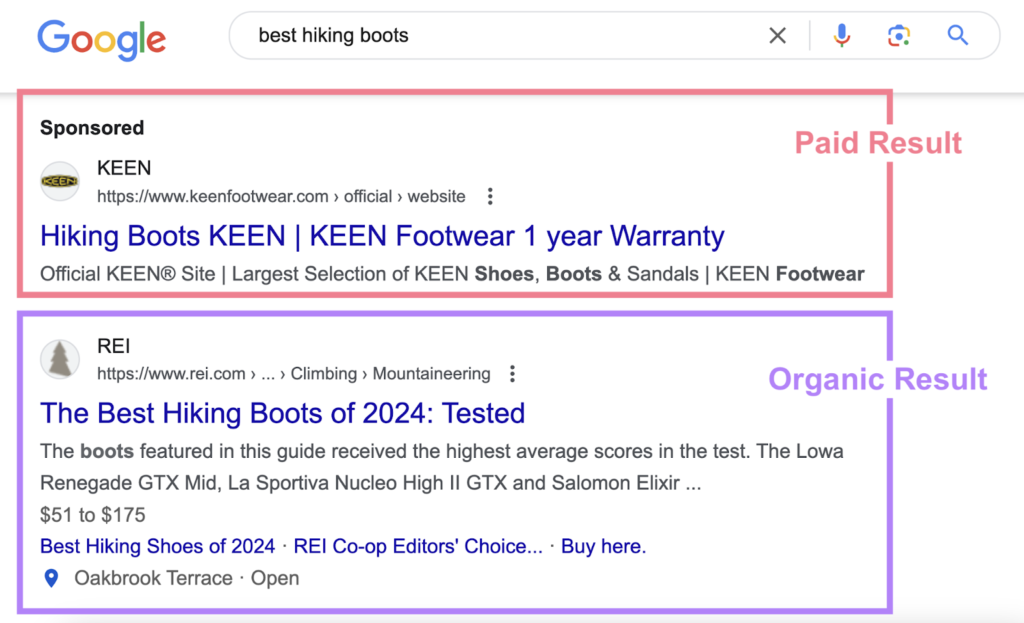
    Many people wonder whether to focus on SEO or SEM for their website. SEO helps your site get found naturally in search results, while SEM involves paying for ads to appear at the top of search engines like Google.

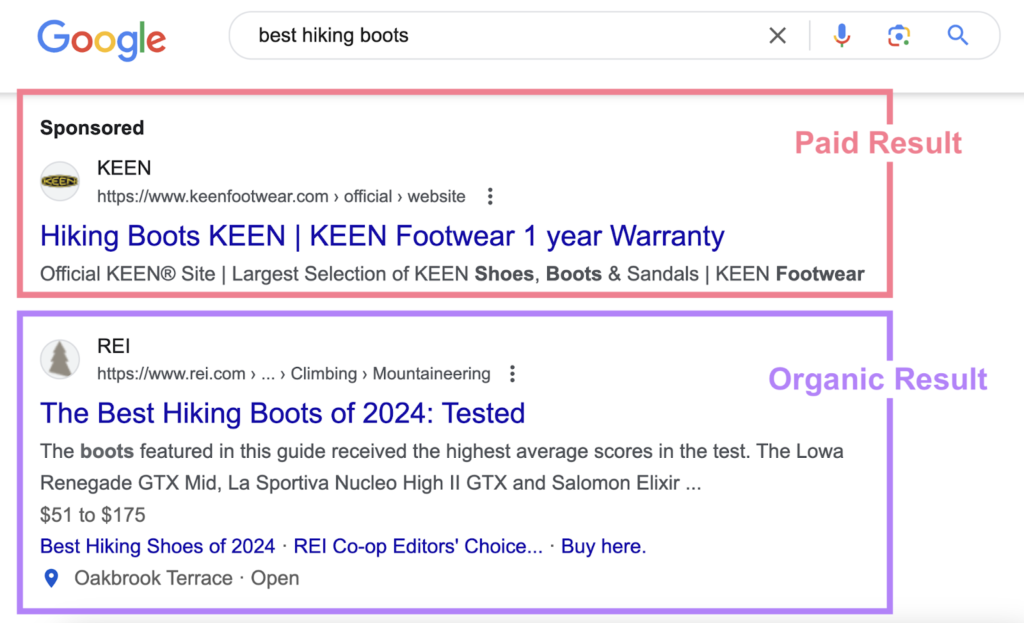
    paid result vs organic result

    By reading our guide on SEO vs SEM, you can learn how both strategies work together. SEO builds long-term organic traffic, while SEM gives quick visibility when you need it by paid ads to boost traffic. Knowing the difference helps you plan your online marketing more effectively.

    Keyword Research in SEO

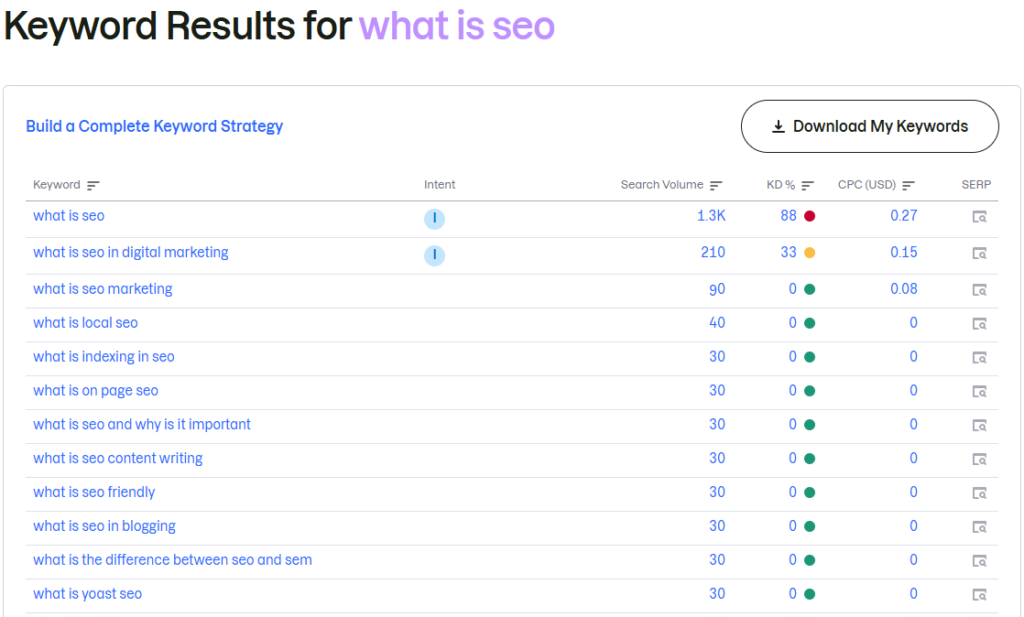
    keyword research tool

    Keyword research is the first step to help your website get noticed by the right audience. In the SEO Beginner Guide Malaysia, we explain how keyword research actually works and why is it important. It shows you what people in Malaysia are searching for and helps you create content that matches their needs. By understanding keywords, you can plan your articles, pages, and blog posts more effectively.

    SEO Tools for Beginners

    SEO tools make it easier to see how your website is performing and find areas to improve. From checking your site’s speed to tracking keyword rankings, these tools help beginners understand what works and what doesn’t.

    Google Keyword Planner – Find keywords people search for.
    Google Search Console – Track your website performance.
    Google Analytics – See how visitors use your site.
    Ubersuggest (Free version) – Get keyword ideas and SEO tips.
    SEMrush – Analyze competitors, keywords, and backlinks.
    Ahrefs – Research backlinks, keywords, and SEO performance.

    These are just a few beginner-friendly tools. For a more complete list and detailed tips, you can read our guide on SEO Tools for Beginners.

  • What is SEO? A Beginner’s Guide to How SEO Works

    What is SEO? A Beginner’s Guide to How SEO Works

    Definition:
    SEO is a process of improving a website so it can rank higher in search engine results.

    What is SEO Exactly for Beginners?

    It is stands for Search Engine Optimization. SEO allows to rank websites higher. When someone searches on Google, the search engine shows the most relevant pages.

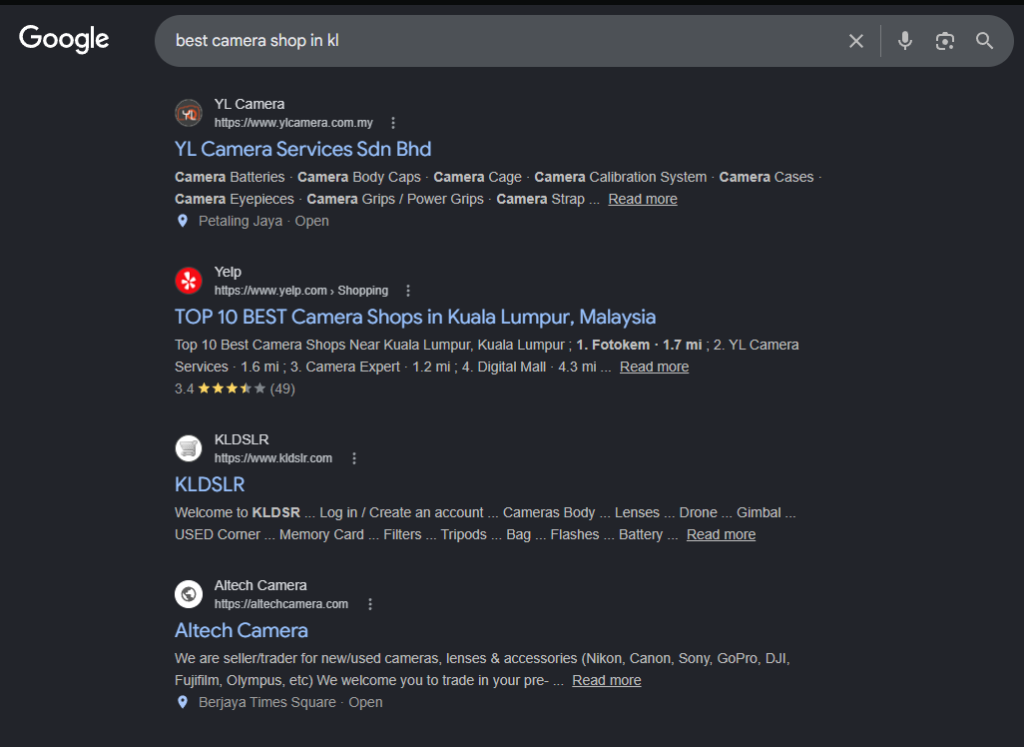
    For example, if someone searches for “best camera shop in kl”, search engines will show websites that are relevant to that search. Businesses that have optimized their websites using SEO are more likely to appear in these results.

    Camera shop that optimized their website using SEO is showing on top of the google search engine

    Why is SEO important?

    SEO is important because it helps your website become more visible on search engines like Google Search. When your pages rank higher in search results, more users can discover your content, leading to consistent organic traffic without relying on paid ads.

    In addition, SEO helps build trust and credibility. Websites that appear at the top of search results are often seen as more reliable, which can improve user confidence and engagement. Unlike paid advertising, SEO also provides long-term results, making it a cost-effective strategy for sustainable growth. Understanding the importance of SEO can help businesses focus on strategies that drive long-term success online.

    SEO vs SEM (Organic Traffic vs Paid Advertising)

    Speaking of SEO being able to generate organic traffic, according to semrush there is also SEM, which includes both SEO and paid search advertising. To understand the key differences, check out our post on SEO vs SEM: Key Differences Beginners Should Know for more details.

    Search Engine Marketing (SEM) is a digital marketing strategy that promotes businesses on search engines through both unpaid and paid methods.

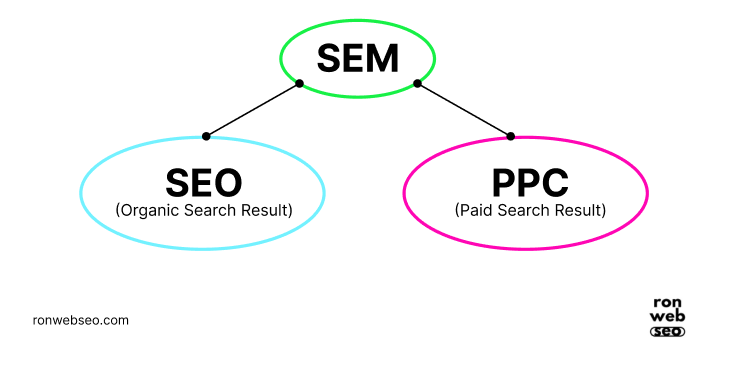
    SEO and PPC are subsets of a SEM:

    Diagram showing that SEO and PPC is a subset of SEM
    • SEO – Focuses on generating organic traffic to improve your website’s ranking on search engine without paying for ads
    • Pay-Per-Click (PPC) – Focuses on paid advertising by setting up ad campaigns to generate traffic to your website. These ads are usually appeared as “Sponsored”

    Paid ads can be seen in search engine with the label “Sponsored” or “Ad” as shown below

    Source: semrush

    How Do Search Engine Work?

    Search Engine have 3 primary functions: Crawl, Index, and Rank. These functions work together to help satisfy users’ queries by delivering the results they are expecting.

    • Crawl – Search engines use web crawler “spiders” or “bots” to crawl and explore your website to discover new or updated pages. They follow hyperlinks, also known as internal links, to find additional pages.
    • Index – After discovering pages, search engines store, organize, and categorize your content in their database.
    • Rank – When a user enters a query, the search engine determines which pages are most relevant to that query and displays them in order.
    Source: semrush

    In a simple real-life analogy, Crawl is like a librarian exploring the library to find new books. Index is where they organizing the books in a catalog for easy reference. Finally, Rank is where they recommending the most relevant books when someone asks

    What are the Basic Steps in the SEO Process?

    Keyword Research

    First, start with Keyword Research which is one of the SEO best practices. Begin by identifying niche keywords related to your blog, website, or business and what your target audience is likely to search for. Explore what keywords your competitors are using as well. Once you have a list, use SEO tools to check each keyword’s search volume and ranking difficulty. This will show you approximately how many people search for that keyword each month and help you choose the best opportunities to target.

    Free SEO Tools that you can start with:

    • Google Keyword Planner
    • Ubersuggest
    • Google Trends

    Paid SEO Tools:

    • Ahrefs
    • SEMRush
    • Moz Pro

    On-Page Optimization

    On-page optimization is the process of optimizing elements within your website. It focuses on how and where you place your keywords effectively in your content. Keywords are important for on-page SEO because they help search engines and users understand how relevant your content is.

    Adding your keyword to your body content and the following location is when it is natural to do so is best practice:

    • Title tag: The HTML page title that can appear in Search Engine Result Page (SERPs)
    • Meta description: Is the HTML page summary that can appear in SERPs
    • H1 tag: The HTML element holds the main title of the page and also main keyword
    • Subheading tags: HTML tags that contain subheadings below H1 tag (H2, H3, etc.)
    • Alt text: HTML image descriptions
    • URL slug: The unique part of the webpage address

    Off-Page Optimization

    The main focus of off-page optimization is to make your website more trustworthy and authoritative to both users and search engines. This is where backlinks come in. Backlinks are links from other sites that point to yours. They are like a shout-out from another page or a recommendation from a trusted friend. Therefore, the more high-quality backlinks you have, the more credible and authoritative your site becomes.

    Few examples of Off-Page Optimization Task:

    • Building Backlinks – Reaching out to other author of the website to include links that points back to your site.
    • Guest Posting – Writing an article for other website and include link back to your related website.
    • Social Media Promotion – Sharing out your content on social media platform like LinkedIn, Instagram, Facebook, etc.
    • Influencer Outreach – Collaborating with influencer to mention or link your website.

    Technical SEO

    It ensures that your website loads quickly, is easy for search engines to crawl and index, and is mobile-friendly and secure. It improves your website performance, search rankings, and overall user experience.

    • Using meta robots tags and robot.txt is telling the search engine which page can be access
    • Creating and submitting an XML sitemap is to allow search engines to discover all your pages easily
    • Building internal links is to connect related pages and help both users and search engines navigate your site

    By implementing these technical optimizations, you create a smooth and enjoyable experience for users visiting your website, which can increase engagement, reduce bounce rates, and encourage visitors to stay longer.

    Example of SEO in Real Life

    To better understand SEO, consider a simple example.

    When a user searches for “best running shoes in Malaysia” on Google Search, search engines analyze and rank pages based on their relevance and quality. Websites that have strong on-page optimization, relevant keywords, and useful content are more likely to appear at the top.

    For example, a blog that provides detailed reviews, comparisons, and answers user questions will perform better than a page with little or no optimization. This shows how applying the right SEO strategies can directly impact your visibility in search results.

    How Long Does SEO Take to Work

    SEO is a long-term strategy, and results typically take 3 to 6 months for most beginners to start seeing noticeable improvements. However, the exact timeline depends on your competition, website authority, and content quality.

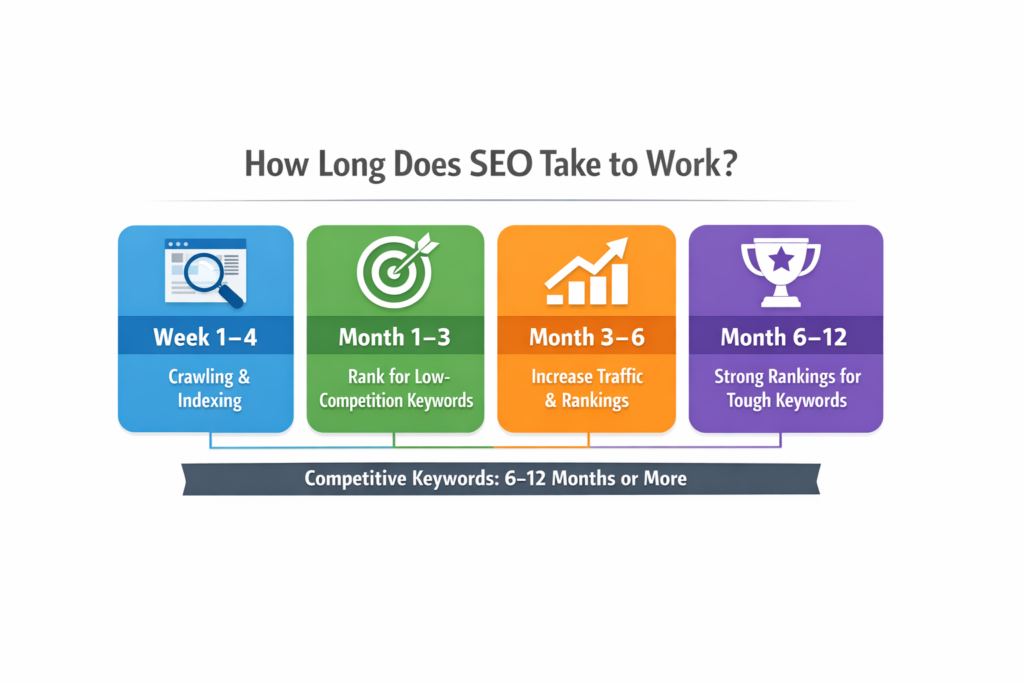
    Timeline infographic explaining how long SEO takes to work, starting from week 1 to 4 for crawling and indexing, followed by month 1 to 3 for early keyword rankings, month 3 to 6 for traffic growth, and month 6 to 12 for competitive keyword rankings.

    In the first 2 to 4 weeks, search engines may begin crawling and indexing your pages, but you usually won’t see significant ranking changes yet.

    Between 1 to 3 months, your content may start ranking for low-competition keywords, especially if your website is properly optimized and you follow SEO best practices.

    By around 3 to 6 months, you should begin seeing more consistent traffic growth and better rankings, particularly if you continue producing high-quality content and building authority.

    For highly competitive keywords, it can take 6 to 12 months or more to achieve top rankings.