
Search Engine Optimization (SEO) is one of the most effective ways to improve your website traffic. By following proven SEO best practices, you can boost your website’s visibility on search engine result pages (SERPs) and attract more organic traffic through the proper optimization of your business website.
According to BrightEdge, organic search drives around 53% of all website traffic, making SEO one of the most important digital marketing strategies for businesses today.
Here is 9 SEO Best Practices that you can do to improve your website traffic:-
Perform Keyword Research
Keyword Research is the foundation of SEO. It is performed to identify what people are searching for via search engine so that you can create a content to match their intent.
Tools like Google Keyword Planner, Ubersuggest, and Ahrefs allows you to find relevant keywords with high search volume and at the same time low competition.
Create High-Quality Content
Creating a good content is one of the most important factor to rank high in SEO. Search engines will only prioritize website that provide relevant and valuable information.
High-quality content should includes:
- Solve user question
- Provide clear explanations
- Offer useful insights
On-Page SEO Optimization
On-page SEO is the process of optimizing a website so that search engines can better understand its content and rank it higher in search results. It also helps improve the overall user experience for visitors.
Below are some of the important elements of On-Page SEO:
- Title Tags
- Meta Descriptions
- Headings (H1, H2, H3)
- Keyword Placement
- Image Alt Text
Backlinks (Authority Building)
Backlinks are one of the key reasons why websites are able to rank higher in search engine results. When other websites link to your site, it signals to search engines that your website is trustworthy and authoritative.
Research by Backlinko found that pages with more backlinks tend to rank higher in search results.
Internal Linking
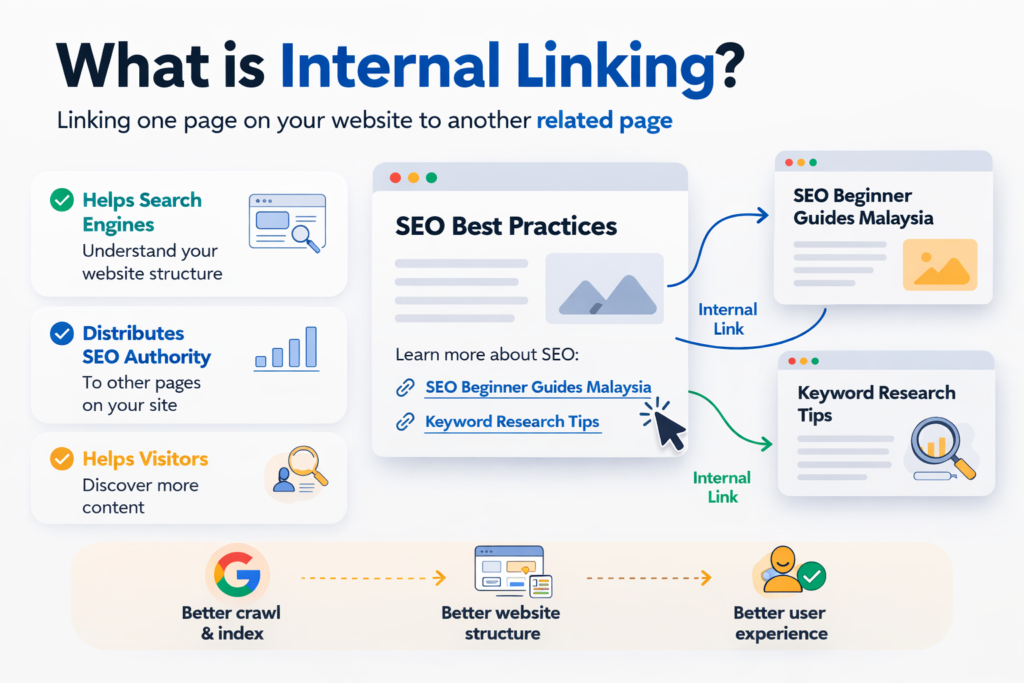
Internal links help search engines crawl your website and understand the relationship and relevance between different pages. They also distribute SEO authority throughout your site and make it easier for visitors to navigate and explore more of your content.
For example, if you have a blog post about “SEO Best Practices,” you can link to related pages like “SEO Beginner Guides Malaysia.” This allows search engines to better understand your website structure and makes it easier for visitors to navigate your pages.
Website Speed
Website loading speed also plays an important role in providing a better user experience and improving search engine rankings. A fast-loading website allows users to access information quickly, which encourages them to explore other parts of your website. On the other hand, slow loading speeds may cause users to leave your website before the content even appears, which can increase your bounce rate.
Tools like Google PageSpeed Insights can help analyze your website’s performance and provide suggestions to improve speed, such as optimizing images, reducing unnecessary scripts, and improving overall page performance.
Mobile-Friendly Website
A mobile-friendly website ensures visitors can read content easily, navigate smoothly, and interact with your site. This improves user experience and is an important SEO factor, as search engines prioritize mobile-friendly websites. As discussed in Why is SEO important, strong SEO practices like this help improve your website’s visibility and ranking in search results.
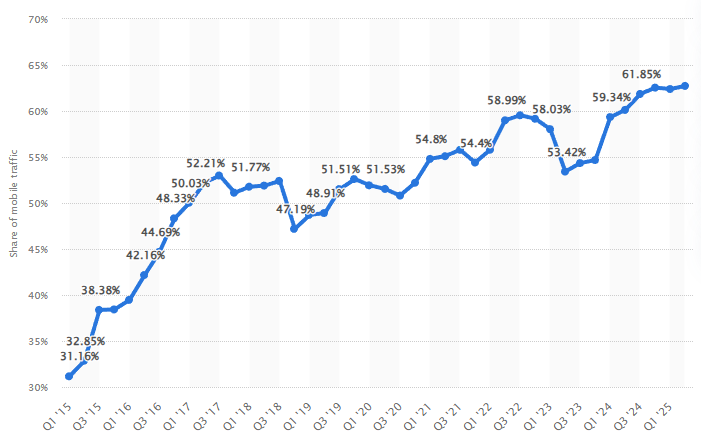
Ensuring your website is mobile-friendly is important as high number of visitors comes from mobile devices. According to Statista, about 62.5–64.35% of global website traffic comes from mobile devices as of 2025.
Technical SEO
Technical SEO are used to make sure search engines are able to crawl and index your website in order to appear on search results.
Key elements includes:
- XML Sitemap: To help search engines to find all your pages
- Clean URL Structure: Short URLs are more easier to read and understand
- Fixing Broken Links – To prevent directing user to broken website
- Proper Indexing – Making sure important pages are searchable and hide unimportant pages
Tools like Google Search Console can help to detect and fix these issues.